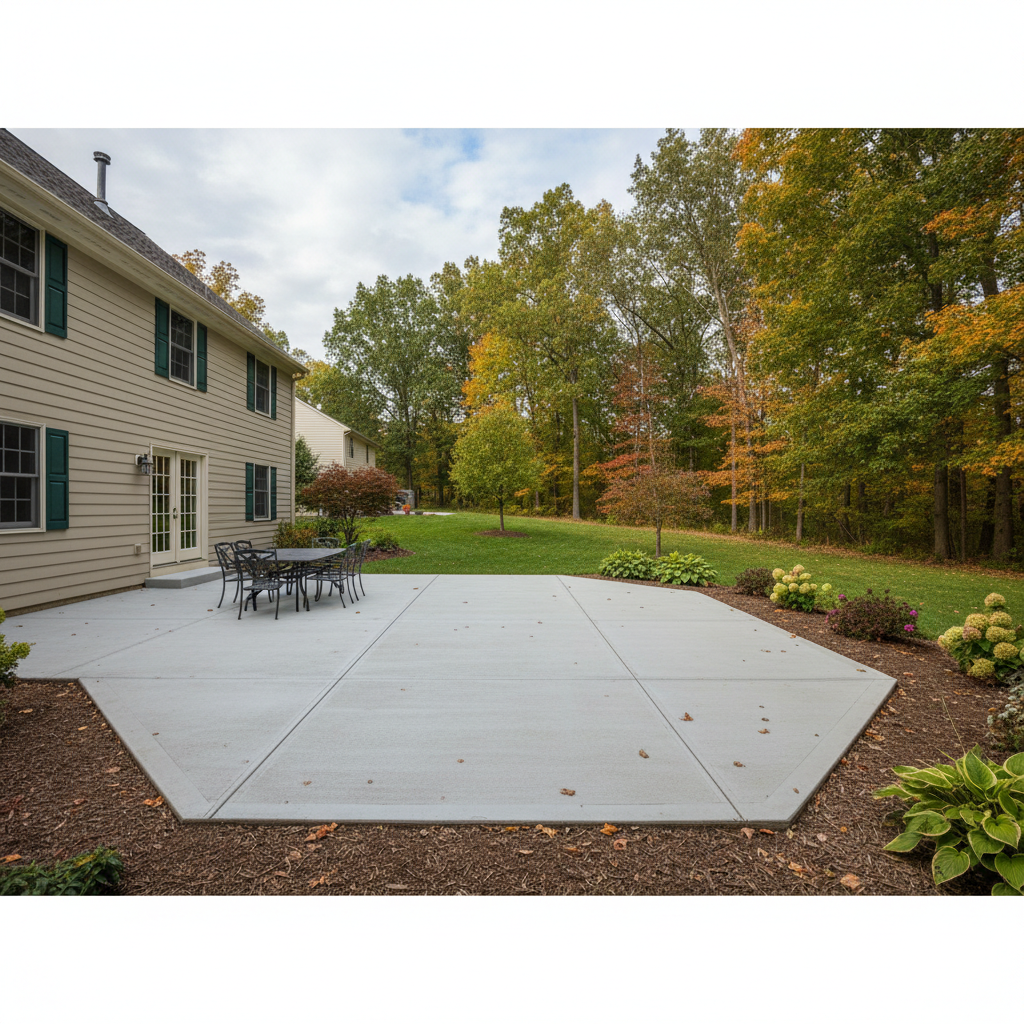
You want your concrete patio to last a good long while, right? Of course you do. It's more than just a slab; it’s where you fire up the grill, kick back, and create some great memories. But here in Akron, with our wild freeze-thaw cycles and those muggy summers, concrete really takes a beating. Keeping it in shape isn't brain surgery, but it does require a bit of know-how. I've looked at countless patios over the years, and believe me, a little maintenance goes a very long way.
Making Your Patio Last: Protection is Key
Around here, water is concrete's biggest enemy. When water seeps into tiny cracks, freezes, and then expands, it causes real damage. That's why sealing is your first line of defense. I usually tell folks to seal their concrete patio every two to three years, maybe even more often if it gets a lot of foot traffic or is constantly hit by sun and rain. A good penetrating sealer will push away water and guard against stains without making your patio slippery. Think of it like sunscreen, but for your concrete.
What else shortens a patio's life? Heavy impacts and dragging things across it. Try your best not to drop heavy tools or furniture. If you've got weighty planters, lift them instead of pulling them. Put felt pads under furniture legs. Simple stuff, honestly, but it really helps stop those small chips and scratches from turning into bigger headaches later on.
Regular Upkeep: Keep it Clean
This part is pretty straightforward. You'd be amazed how much dirt and grime can pile up. A good sweep with a stiff broom once a week or so is an excellent start. For general cleaning, a hose and some mild dish soap with a soft brush will do the trick. Just be sure to rinse it thoroughly afterwards. You definitely don't want soap residue drying on the surface.
For tougher stains, you might need something a little stronger. Oil and grease spots should be cleaned up fast. Kitty litter or sawdust can soak up fresh spills. If you've got dried-on stains, a concrete-specific degreaser usually works. Just follow the product directions carefully and always test it in a hidden spot first. Pressure washing can be effective, but be careful not to use too much pressure or hold the nozzle too close, especially on older or decorative concrete. You can actually damage the surface if you're not paying attention. I've seen people blast off the top layer of their stamped concrete, and that's a real mess to fix.
Also, keep an eye on any plants. Weeds pushing through cracks aren't just ugly; their roots can actually widen those cracks over time. Pull them out as soon as you spot them. And if you have trees or shrubs nearby, try to stop their roots from growing directly under the patio, though that's a tougher fight to win once they're really established.
Warning Signs: What to Watch For
Your patio will tell you when it's having issues, if you know what to listen for. Don't ignore these things, especially with our Akron weather:
- Cracks: Small hairline cracks are often normal, particularly with our ground freezing and thawing. But if they start getting wider, connecting up, or if you can fit a dime in them, that's a big red flag.
- Spalling or Flaking: This happens when small bits of the concrete surface break off. It often looks like the surface is peeling. Usually, this means water damage and those freeze-thaw cycles are doing their work. It's pretty common in spots where de-icing salts were used.
- Unevenness or Sinking: If one part of your patio is clearly lower than another, or if it's slanting towards your house, you've got a problem with the base underneath. This could be from poor drainage, soil washing away, or if it wasn't packed down right when it was put in.
- Pitting: These are small holes or craters on the surface. Again, often a sign of freeze-thaw damage or sometimes a poor quality concrete mix.
- Persistent Stains or Discoloration: If you've got dark, damp spots that never seem to dry out, it might mean there's a drainage problem hiding underneath.
When to Bring in a Professional
Look, some things you can absolutely do yourself, but others are best left to the experts. You should definitely give someone like us at Champion Concrete Co. a call if you notice:
- Significant Cracking: Especially if cracks are wide, deep, or if they're making sections lift or sink. These could be structural issues, you know?
- Large Areas of Spalling or Pitting: If a big chunk of your patio surface is falling apart, it's way past a simple patch job. You're probably looking at resurfacing or even a full replacement.
- Major Sinking or Unevenness: This isn't just about looks. It can create tripping hazards and, even worse, direct water right towards your home's foundation, which is a whole other expensive headache. We can figure out what's causing it and suggest fixes like mudjacking (now often called polyjacking) or a complete replacement.
- Drainage Problems: If water is pooling on your patio or running towards your house, you need an expert to figure out why and how to fix it. Bad drainage can really undermine your entire foundation.
Don't wait until a small issue turns into a huge, costly repair. A little proactive care and knowing when to call in the cavalry will keep your Akron patio looking great and serving you well for many years to come.