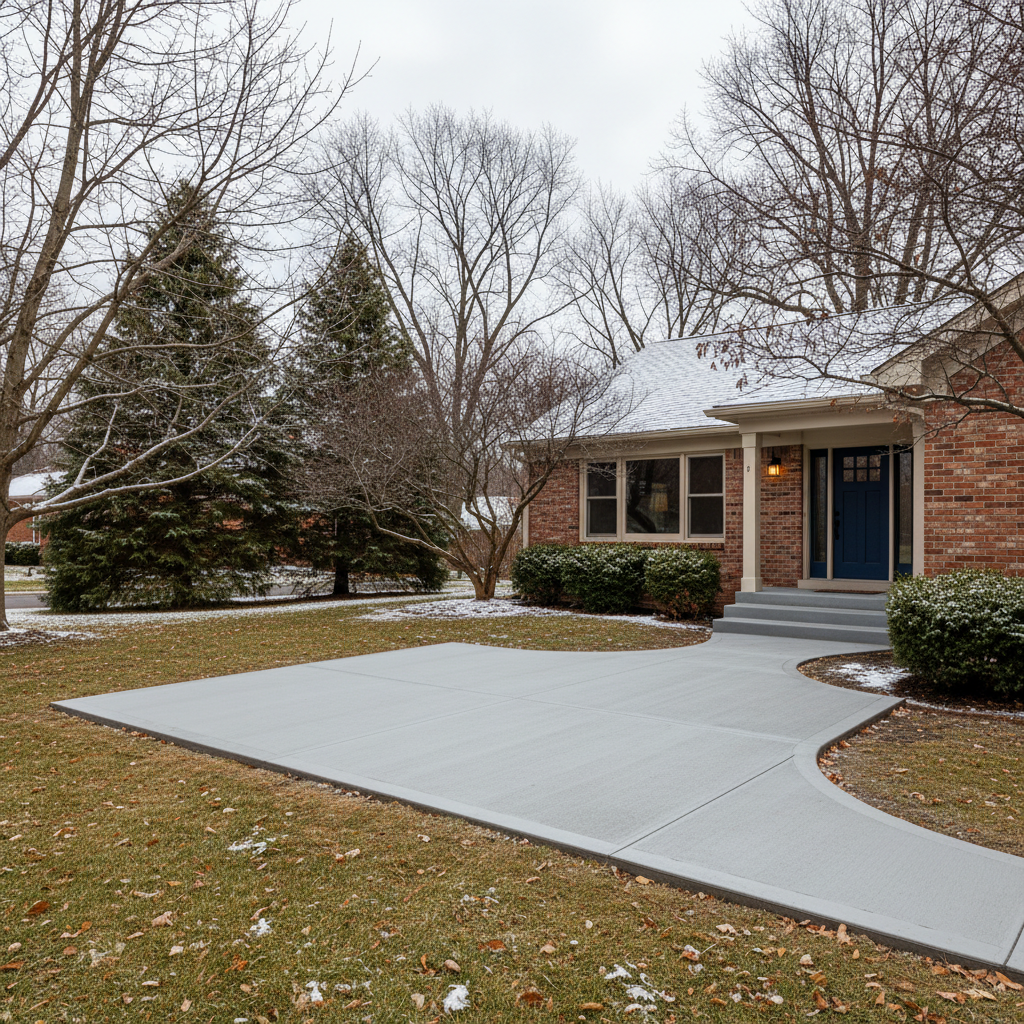
You're thinking about a new patio, driveway, or maybe some fresh sidewalks around your Akron home. That's great! But before you jump in, you've gotta consider the weather. Here in Northeast Ohio, our climate isn't exactly predictable, and that makes a big difference for concrete flatwork. You can't just pour concrete any old time and expect it to last. I've seen too many folks rush it or get bad advice, and then they're looking at cracks and spalling way too soon.
When's the Best Time to Pour Concrete Around Here?
Honestly, the sweet spot for pouring concrete in Akron is usually late spring through early fall. Think May, June, July, August, and maybe early September. Why? Because concrete needs consistent, moderate temperatures to cure properly. It's a chemical reaction, and extreme heat or cold messes with that process.
When it's too hot, say above 85-90 degrees, the water in the mix evaporates too fast. That can lead to a weaker slab, more cracking, and a surface that's prone to dusting. We can take precautions, like misting the concrete or using special admixtures, but it's always better to avoid those super hot days if you can. Plus, working in that kind of heat is just plain brutal for my crew.
Then there's the cold. Below 40 degrees Fahrenheit, the hydration process slows way down, or even stops. If the concrete freezes before it's gained enough strength, it's going to be compromised. You'll get flaking, spalling, and a slab that just won't hold up. We can use heated blankets and special concrete mixes for cold weather pours, but it adds cost and complexity. It's not ideal for residential flatwork unless it's an absolute emergency.
So, those shoulder seasons – late spring and early fall – give us those nice 50-75 degree days, which are perfect. The ground isn't frozen, it's not scorching hot, and there's usually less sudden, heavy rain than in the middle of summer.
What Weather Conditions Really Matter?
It's not just temperature; there are a few other things we're always watching:
- Rain: A light drizzle during a pour isn't the end of the world, but heavy rain? That's a no-go. It adds too much water to the mix, weakens the concrete, and can wash out the cement paste from the surface. We'll always reschedule if a big storm is coming.
- Wind: High winds can dry out the surface of the concrete too quickly, even on a mild day. This rapid drying can cause plastic shrinkage cracking, which looks like fine, spiderweb cracks on the surface. We'll often put up windbreaks or use curing compounds to combat this.
- Humidity: Low humidity, especially combined with wind, also speeds up surface drying. High humidity can slow down the set time, which isn't always bad, but it means we're waiting longer to finish the surface.
We're constantly checking the forecast, sometimes hourly, leading up to and during a pour. It's all about making sure your investment is going to perform as it should.
Protecting Your Concrete Investment Year-Round
Once your new concrete is in, your job isn't quite done. Here's how to keep it looking good and lasting long, especially with our Akron winters:
- Seal It: I can't stress this enough. A good quality concrete sealer is your best friend. It protects against moisture penetration, de-icing salts, oil stains, and UV damage. I usually recommend sealing after the concrete has fully cured (about 28 days) and then every 2-3 years, depending on traffic and exposure.
- Be Smart About De-Icers: This is a big one for us in Akron, especially in neighborhoods like Highland Square where you've got older homes and often older concrete. Avoid rock salt (sodium chloride) if you can. It's really harsh on concrete. Calcium chloride or magnesium chloride are better options, but even those should be used sparingly. Sand is always a safe bet for traction.
- Clean It Regularly: A simple sweep and occasional rinse with a hose can prevent dirt, leaves, and other debris from staining or holding moisture against the surface. For tougher stains, a pressure washer can work, but be careful not to use too high a pressure setting, especially on newer concrete.
- Watch for Drainage: Make sure water drains away from your concrete slabs and your foundation. Standing water is a concrete killer, especially when it freezes and thaws repeatedly. If you've got areas where water pools, it's worth addressing that.
At Champion Concrete Co, we're not just pouring concrete; we're building things that last through all four seasons here in Ohio. Getting the timing right and taking care of your concrete afterward makes all the difference. If you're thinking about a project, give us a call, and we can talk through the best plan for your property and the current weather.