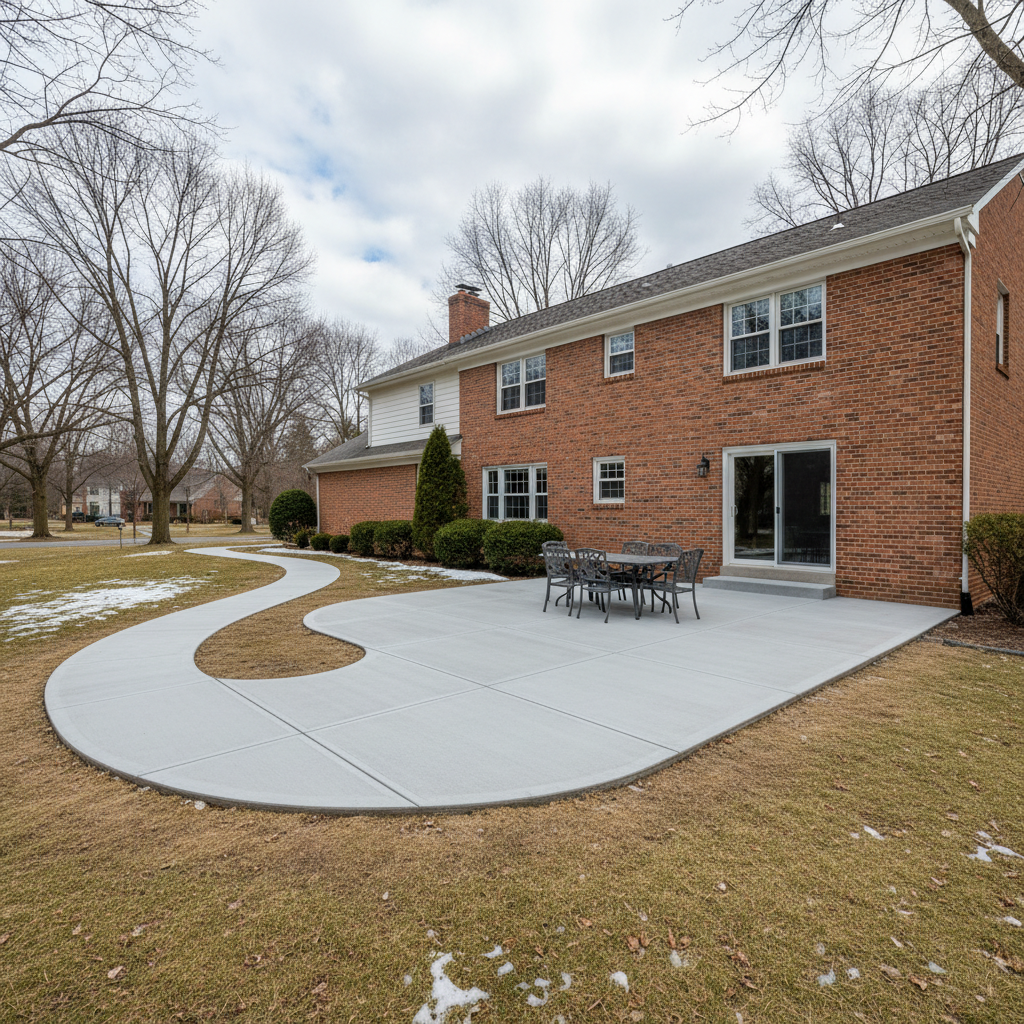
You're probably wondering when the best time is to get that new patio or driveway poured. It's a fair question, especially around here in Akron. Our weather isn't exactly predictable, and that makes a big difference when you're dealing with concrete.
Why Timing is Everything for Concrete
Concrete isn't just concrete; it's a mix of cement, aggregates, and water that cures over time. That curing process is critical, and it's heavily influenced by temperature and moisture. Pouring concrete when it's too hot, too cold, or too wet can lead to all sorts of problems down the line – cracking, spalling, or just a weaker slab overall. You don't want to spend good money on something that won't hold up, and neither do I.
The Sweet Spot: Spring and Fall
From what I've seen over the years, the ideal times for concrete flatwork around Akron are spring and fall. We're talking late April through June, and then again from September through October. Why those windows?
- Moderate Temperatures: Concrete loves temperatures between 50 and 70 degrees Fahrenheit. It allows the concrete to cure slowly and evenly, which makes it stronger and more durable. In spring, you usually get those nice, consistent days without the extreme heat of summer or the freezing temps of winter. Fall offers a similar sweet spot after the summer humidity breaks.
- Less Temperature Fluctuation: Big swings in temperature can stress new concrete. Our spring and fall often provide more stable conditions, meaning less expansion and contraction during those critical first few weeks.
- Adequate Moisture: While you don't want it pouring rain during the pour itself, a little natural humidity in the air helps with the curing process. It prevents the concrete from drying out too quickly, which can cause surface cracks.
Now, I know life happens, and sometimes you can't always pick the perfect week. But if you can, aim for these windows. It really does make a difference in the longevity of your concrete.
Summer Pours: Handle with Care
Can we pour concrete in the summer? Absolutely, Champion Concrete Co does it all the time. But it requires extra precautions. When temperatures climb into the 80s and 90s, especially with our typical summer humidity, concrete can dry out too fast. This leads to what we call 'plastic shrinkage cracking' – those tiny, spiderweb cracks that show up on the surface. To combat this, we might use special admixtures, add fibers to the mix, or spend more time on curing techniques like applying curing compounds or keeping the slab wet. It's more work, but it's necessary to ensure a quality product.
Winter Pours: A Risky Business
This is where I get a bit more cautious. Pouring concrete when temperatures are consistently below 40 degrees Fahrenheit, or when there's a risk of freezing temperatures within the first few days, is generally a bad idea for flatwork. Water in the concrete can freeze, expand, and damage the internal structure before it even has a chance to gain strength. You'll end up with weak, spalling concrete. We can use heated blankets, insulating covers, and special concrete mixes, but for driveways and patios, it's often not worth the added cost and risk. Unless it's an absolute emergency, I'd strongly advise waiting until spring.
Protecting Your Investment Year-Round in Akron
Once your concrete is in, your job isn't over. Our local climate, with its freeze-thaw cycles and heavy snow, can be tough on concrete. Here's what you need to do:
- Seal it: I can't stress this enough. A good quality penetrating sealer applied a month or two after the concrete is poured, and then every 2-3 years, is your best friend. It repels water and de-icing salts, which are concrete's worst enemies. This is especially true for homes in areas like West Akron, where you might have older, less stable soil conditions that put more stress on the slab.
- Avoid De-Icing Salts: While rock salt (sodium chloride) melts ice, it's terrible for concrete. It causes a chemical reaction that can lead to spalling and surface damage. Use sand for traction, or consider pet-friendly de-icers that are chloride-free. Even better, shovel early and often!
- Clean it Regularly: Don't let oil stains, leaves, or dirt sit on your concrete for too long. A good power wash once a year can keep it looking good and prevent stains from setting in.
- Watch for Cracks: Small hairline cracks are normal. But if you see cracks widening or significant spalling, give us a call. Catching problems early can save you a lot of headache and money down the road.
Getting new concrete is a big investment in your home. By understanding how our Akron weather impacts the work and taking a few simple steps to protect it, you'll ensure your driveway or patio looks great and lasts for decades. If you've got questions about your specific project or the best time to schedule, just give me a call at Champion Concrete Co. We're always happy to talk concrete.